Of courts
and pearls.
The Gulf, the Nizams of Hyderabad, and the pearls that joined them.
The Basra Pearl — the finest natural pearl of the Arabian Gulf
The finest natural pearl of the Arabian Gulf. Last commercially harvested, 1940.
The Nawabi courts of Hyderabad
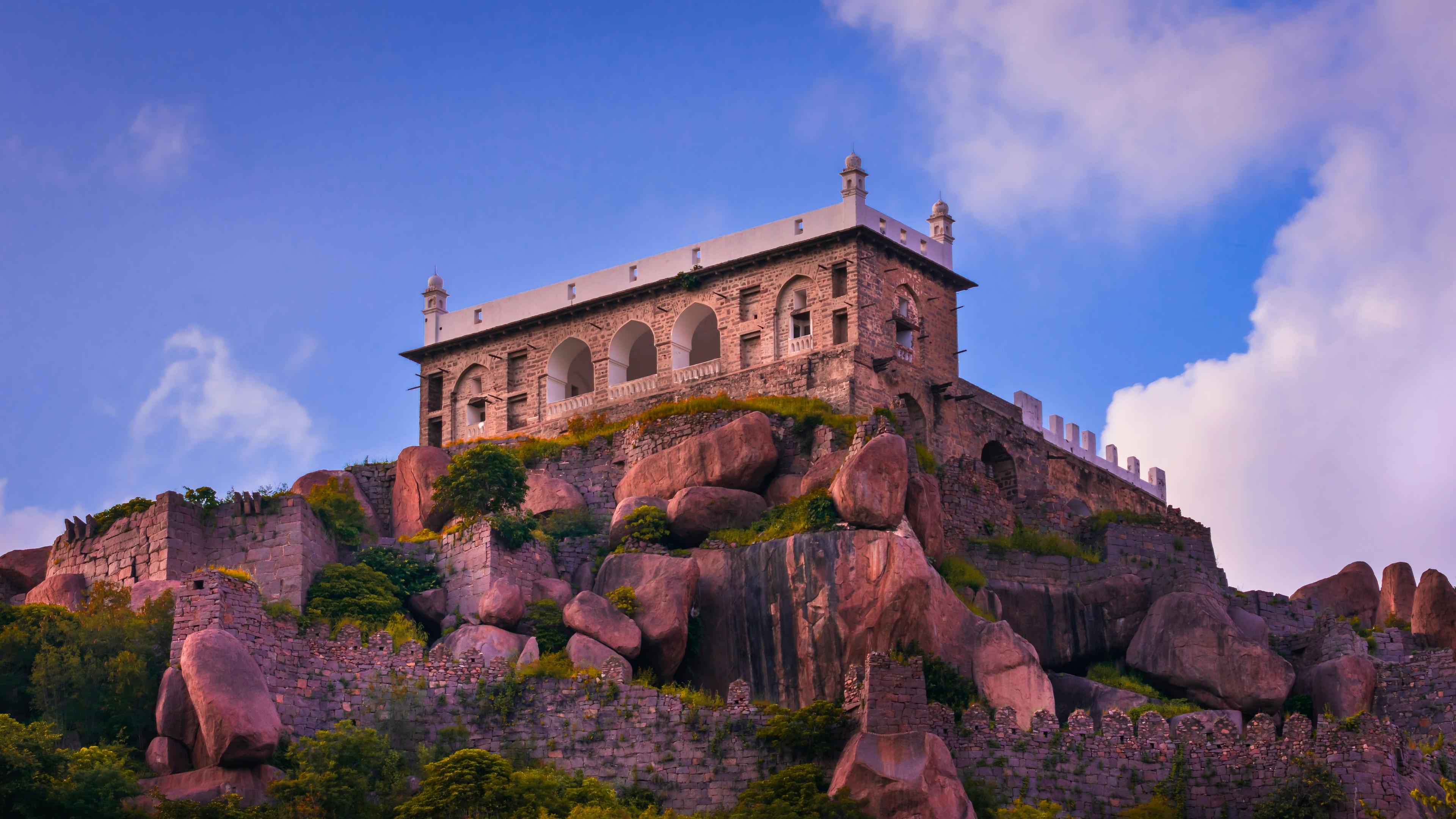
“Among the treasures of the Nizam, the pearl rooms alone were said to require three full days to properly appreciate. Each strand was catalogued. Each pendant had a name.”
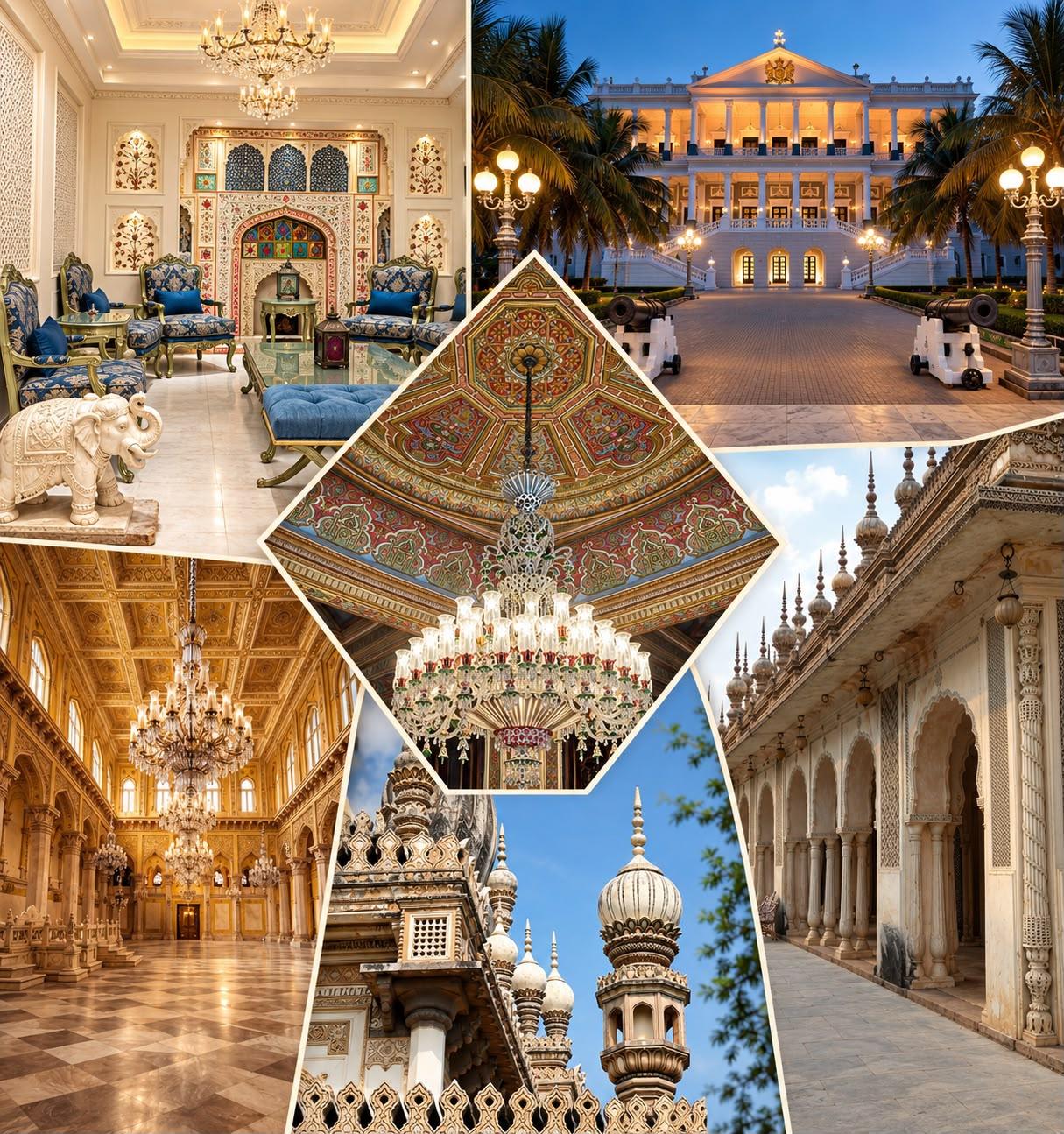
The Nawabi legacy of Hyderabad
THE NAWABI LEGACY
Anaqa Pearls draws inspiration from a family connection to Hyderabad’s distinguished Nawabi heritage, where an appreciation for fine jewellery and craftsmanship was passed through generations.
Known throughout the world as the City of Pearls, Hyderabad became celebrated for master artisans, remarkable gemstones and elaborate pearl jewellery worn by its royal and noble families.
That aesthetic remains at the heart of Anaqa: graceful proportions, magnificent strands, rich gemstones and an unmistakable sense of refinement—reinterpreted for the modern woman.
A heritage remembered. A tradition reimagined.
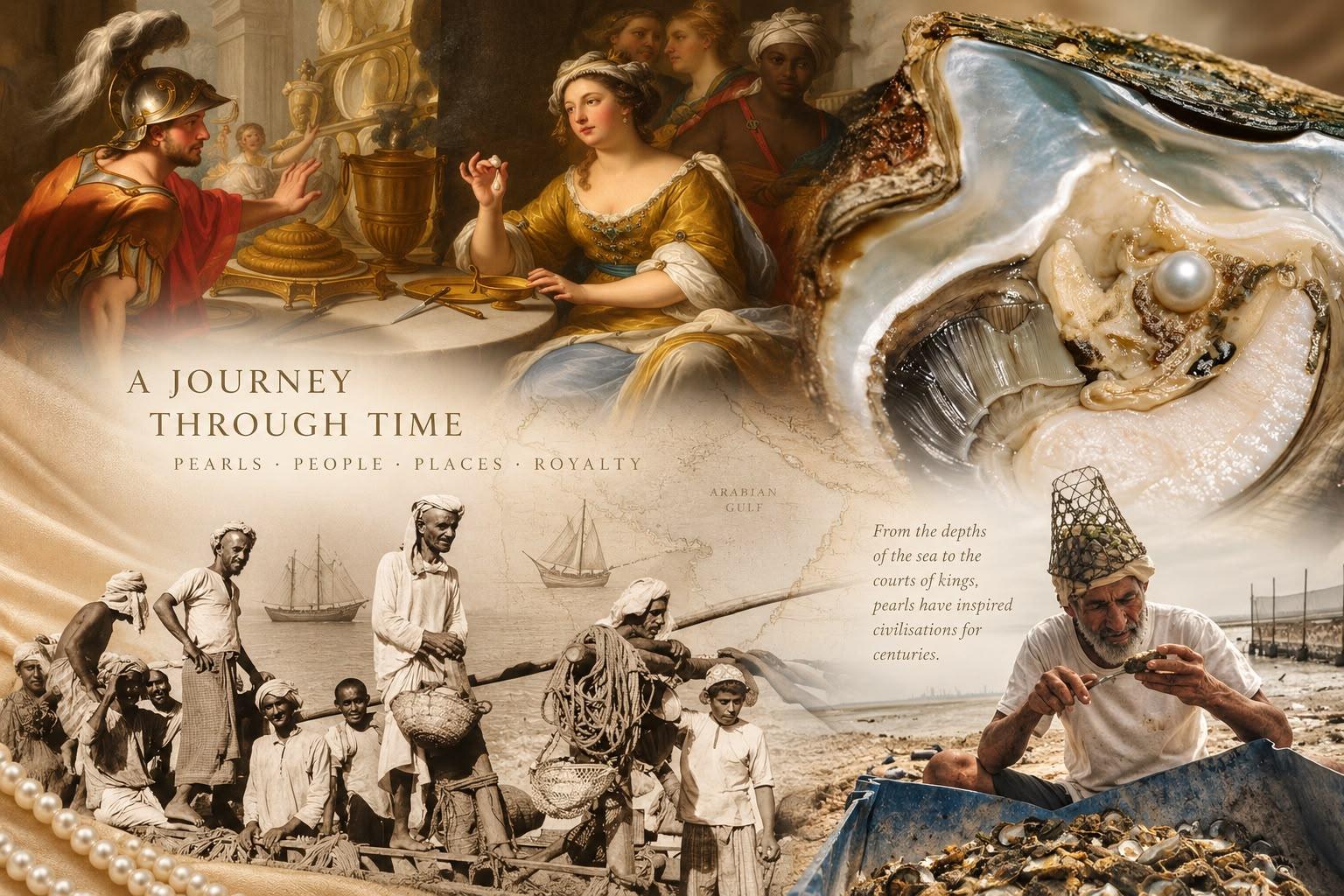
The history of pearls
THE HISTORY OF PEARLS
Long before diamonds became synonymous with luxury, pearls were among the world’s most coveted jewels.
Unlike gemstones extracted from the earth, a pearl is formed within a living mollusk. Its extraordinary origin, luminous appearance and historic rarity made it a symbol of status and beauty across civilisations.
Before oil transformed the region, pearl diving was integral to life across the Arabian Gulf. Divers ventured into its waters in search of natural pearls, many of which travelled through international trade routes to royal courts and jewellery centres—including Hyderabad.
Among history’s celebrated examples is La Peregrina, a remarkable pearl that passed through European royalty and was later gifted by Richard Burton to Elizabeth Taylor.
From ancient courts to contemporary jewellery, pearls have remained remarkably timeless.